

Most Las Vegas homeowners are told the same thing: wait until spring to sell. It is the single most repeated piece of advice in real estate, and in a metro like ours it is often wrong. The spring surge that agents love also floods the market with competing listings, which is exactly when your home stops standing out. Winter flips that math. From December through February, Las Vegas listing inventory thins out, casual browsers disappear, and the buyers who remain are the ones who have to move — relocations, job transfers, year-end tax deadlines, and lease expirations. Fewer homes plus motivated buyers is the equation every seller actually wants.
This guide breaks down why a Las Vegas winter listing frequently sells faster and closer to asking than the same home would in a crowded April, what the local seasonal data really shows, how to prep and stage for cold-weather showings in a desert climate, and where the risks hide. If you are weighing a listing date, read this before you default to spring.
Selling a Las Vegas home in winter often beats spring because inventory drops sharply — frequently 20% to 35% below the summer peak — while the remaining buyers are serious relocation, transfer, and tax-deadline shoppers who need to close fast. Less competition means your listing captures more attention, and motivated buyers reduce haggling and shorten days on market. A well-priced December-to-February listing can net more than the same home lost in April's inventory glut.
- Las Vegas winter inventory typically runs 20%–35% below the summer peak, so each listing gets far more buyer attention.
- Winter buyers skew toward relocations, job transfers, and year-end tax closings — they move fast and haggle less.
- Mild desert winters (highs near 60°F) keep showings and curb appeal viable when snow shuts down other markets.
- Pricing right in week one matters more in winter, when the smaller buyer pool punishes overpriced listings harder.
- Pair a January list date with pre-listing prep now; call Nevada Real Estate Group at (702) 637-1759 to model your net.
Does Winter Really Slow Down the Las Vegas Housing Market?
The idea that real estate "shuts down" in winter is a national generalization borrowed from cold-weather cities, and it does not translate cleanly to the Mojave Desert. According to Las Vegas REALTORS, the Southern Nevada market does see fewer transactions in December and January than in the May–July peak, but the drop in closed sales is smaller than the drop in new listings. That gap is the entire opportunity: when listings fall faster than buyers, the ratio tilts toward sellers.
In a typical Las Vegas year, active single-family inventory peaks in mid-summer and bottoms out in December or January. If the summer high is roughly 8,000 active listings, the winter trough often sits closer to 5,000 to 6,000 — a decline of 20% to 35%. Meanwhile, buyer demand does not fall by the same proportion, because a large share of Las Vegas demand comes from out-of-state movers whose timelines are set by jobs, not seasons. According to the U.S. Census Bureau, Clark County has been one of the fastest-growing large counties in the nation for a decade, and that migration engine does not switch off in January.
The result is a quieter market with a healthier balance for sellers. You will field fewer showing requests, but a higher percentage of them come from qualified, motivated buyers rather than weekend tire-kickers. For a homeowner, five serious showings in January can be worth more than fifteen casual ones in April.
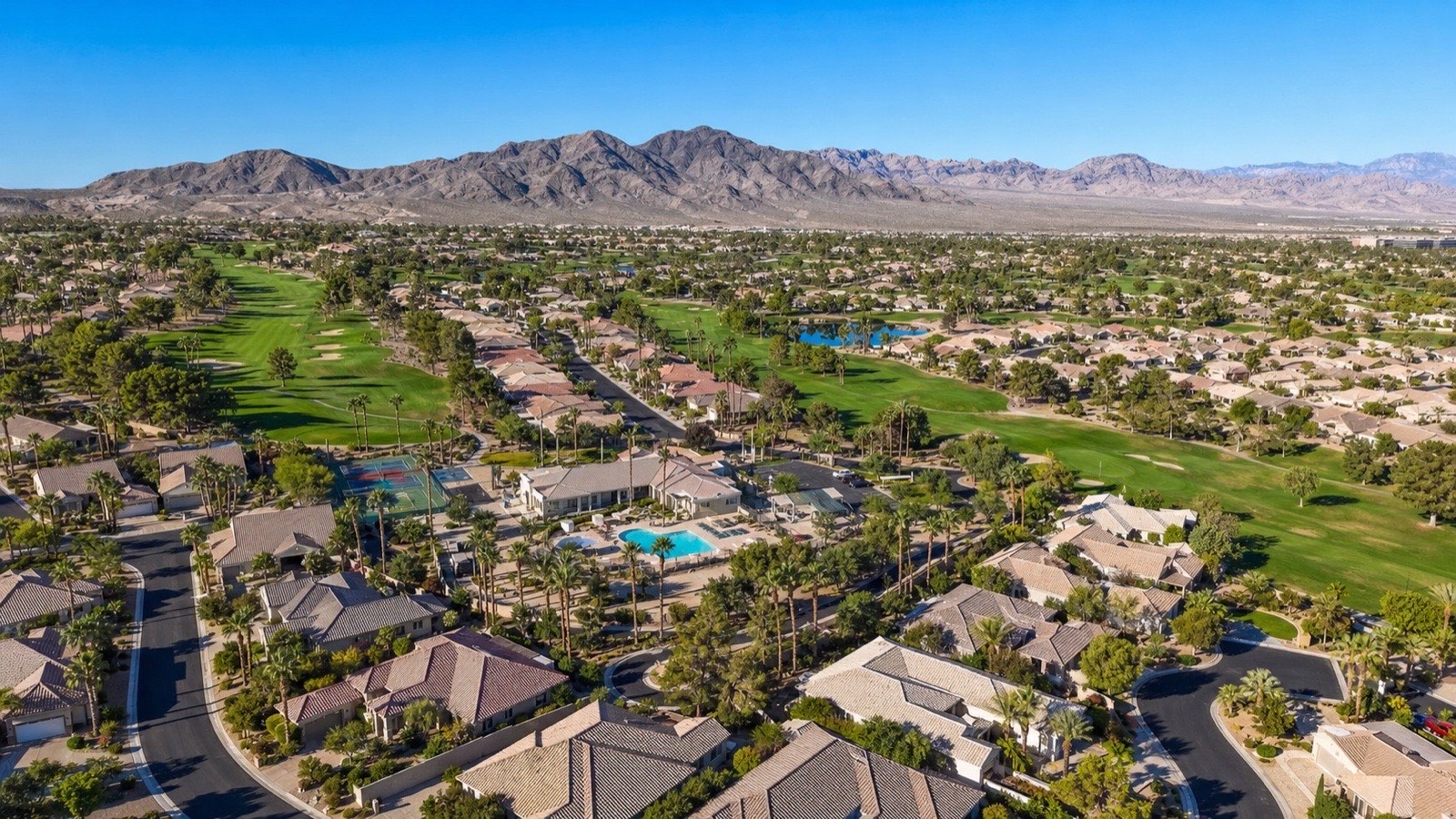
Why Do Serious Buyers Shop for Homes in Winter?
Casual buyers browse in spring; committed buyers close in winter. That is not a slogan — it reflects who is actually house-hunting in December through February. According to the National Association of REALTORS, buyers who transact in the off-season are disproportionately driven by life events with hard deadlines rather than by seasonal curiosity.
The Las Vegas winter buyer pool is dominated by a few motivated groups:
- Relocations and job transfers. Corporate relocations frequently target a January 1 start date, which puts buyers in the market in November and December. The Las Vegas economy — hospitality, healthcare, logistics, and a growing tech and manufacturing base tracked by the Bureau of Labor Statistics — pulls transfers year-round.
- Year-end tax buyers. Some buyers want to close before December 31 to capture mortgage-interest and property-tax deductions for the current tax year, a strategy outlined by the IRS. Others close in early January for the opposite reason — to start the deduction clock fresh.
- Snowbirds and second-home buyers. Winter is precisely when cold-climate buyers visit Las Vegas, tour communities, and buy seasonal or retirement homes. They are here in January because it is January.
- Lease-expiration buyers. Renters whose leases end December through February often buy rather than renew, especially as Las Vegas rents have climbed.
Every one of these groups shares a trait sellers love: a deadline. According to the National Association of REALTORS, deadline-driven buyers are less likely to submit lowball offers and more likely to accept reasonable terms to secure a close, because time — not squeezing the last few thousand dollars — is their scarce resource.
How Much Less Competition Do Winter Sellers Face in Las Vegas?
Competition is the single biggest lever in your favor as a winter seller. Every listing that is not on the market in January is a rival that cannot steal your buyer. To put numbers on it, here is how a representative Las Vegas single-family market shifts by season.
| Season | Active listings | New listings/month | Median days on market | Buyer mindset |
|---|---|---|---|---|
| Winter (Dec–Feb) | ~5,000–6,000 | Lowest | Longer to show, faster to close | Deadline-driven, serious |
| Spring (Mar–May) | ~7,000–8,000 | Highest | Fast, but crowded | Many browsers, high competition |
| Summer (Jun–Aug) | ~8,000 (peak) | High | Moderate | Family moves before school |
| Fall (Sep–Nov) | ~6,500–7,500 | Falling | Moderate | Motivated year-end buyers rising |
Read that table as a seller, not a statistician. In spring you might be one of 8,000 homes competing for a buyer's click; in winter you might be one of 5,500. A 30% smaller field means your listing photos, your price, and your home's best features have dramatically more room to breathe in search results and in a buyer's shortlist. According to Realtor.com research on listing seasonality, homes listed in lower-inventory windows benefit from reduced direct competition even when overall traffic is lighter.
For a $480,000 Las Vegas home, standing out matters in dollars. If winter positioning helps you avoid a single $10,000 price reduction and a 20-day extension on market, that is real money and real carrying cost — mortgage, taxes, insurance, and utilities — you keep.
What Does Las Vegas Winter Weather Mean for Home Showings?
This is where Las Vegas has an enormous structural advantage over the cities that invented the "wait for spring" rule. In Minneapolis or Denver, winter means snow-covered curb appeal, frozen showings, and buyers who genuinely cannot tour comfortably. In Las Vegas, winter means jacket weather and blue skies.
According to the National Weather Service, Las Vegas winter daytime highs typically sit in the upper 50s to low 60s°F, with abundant sunshine and rare precipitation. That climate keeps three things working in a winter seller's favor:
- Curb appeal stays intact. Desert landscaping, gravel xeriscape, and evergreen accents look the same in January as in June. There is no dead lawn or snow to hide.
- Showings remain comfortable. Buyers tour without battling weather, and natural light through winter's lower sun angle can actually flatter interiors.
- Photography stays clean. Clear skies mean bright, sellable listing photos year-round — no gray overcast dragging down your first impression.

The one weather caveat is short daylight. December sunsets near 4:30 p.m. compress the after-work showing window, which makes staging for evening light and keeping the home show-ready on weekends more important. That is a scheduling adjustment, not a market disadvantage.
How Do Winter Sale Prices Compare Across Las Vegas Seasons?
Sellers understandably worry that fewer buyers means lower prices. The evidence says the effect is far smaller than the competition benefit — and for the right home, winter can net more. The seasonal price swing in a stable Las Vegas market is typically a few percentage points, not a cliff.
| Factor | Winter listing (Dec–Feb) | Spring listing (Mar–May) |
|---|---|---|
| Competing listings | ~30% fewer | Peak competition |
| Buyer volume | Lower, but higher intent | Higher, more browsers |
| Typical negotiation | Less haggling, faster close | More offers, but more fall-through |
| Seasonal price effect | Roughly 1%–3% softer list ceiling | Roughly 1%–3% firmer list ceiling |
| Net-to-seller risk | Overpricing punished quickly | Overpricing masked by traffic |
| Carrying-cost exposure | Shorter with motivated buyers | Longer if lost in inventory |
Notice the trap in the spring column: high traffic masks overpricing. A too-high home in April still gets showings, which lulls sellers into holding a bad number for weeks before capitulating with a price cut. In winter, the smaller buyer pool gives you faster, more honest feedback — if the price is right, you sell; if it is not, you know in days, not months. According to the Federal Housing Finance Agency House Price Index, Las Vegas has shown resilient long-run appreciation, and short-term seasonal dips of 1% to 3% on a $480,000 home ($4,800 to $14,400) are frequently outweighed by lower carrying costs and cleaner negotiations.
The bigger driver of your final price is never the month — it is the pricing strategy, condition, and marketing. A well-priced winter listing beats an overpriced spring one every time.
Which Las Vegas Neighborhoods Sell Best in Winter?
Winter demand is not evenly distributed across the valley. The neighborhoods that hold up best in the off-season tend to attract relocation buyers, retirees, snowbirds, and lifestyle movers who are the core of the winter pool.
- Summerlin. The master-planned west-side community is a magnet for relocations and move-up buyers, with strong year-round demand driven by schools, parks, and Downtown Summerlin. Winter buyers relocating for work frequently start here.
- Henderson. Green Valley, Inspirada, Cadence, and Lake Las Vegas draw retirees and out-of-state families whose timelines are deadline-driven, not seasonal. Henderson's median has run above the valley average, and its 55-plus communities see heavy snowbird interest in winter.
- Central and southwest Las Vegas. Move-up and investor demand in the Las Vegas core stays active in winter, supported by the metro's job growth.
- Guard-gated and luxury enclaves. High-end buyers — including cash and second-home buyers escaping cold climates — are disproportionately active in winter, when they visit the valley to tour.
If your home sits in a relocation-favored or retiree-favored area, winter's buyer mix may actually match your ideal buyer better than spring's family-heavy crowd. The right question is not "what month is it?" but "who is my buyer, and when are they shopping?"
What Should You Fix Before Listing a Las Vegas Home in Winter?
A smaller, more serious winter buyer pool has less patience for a home that shows poorly. Because deadline buyers are comparing your listing against a short list, condition punches above its weight. Prioritize repairs that a winter buyer will notice first.
| Fix | Why it matters in winter | Typical cost |
|---|---|---|
| HVAC/heating service | Buyers test heat on cool days; a cold house kills a showing | $90–$250 |
| Interior paint refresh | Maximizes low winter light and photo brightness | $1,500–$4,000 |
| Deep clean + declutter | Short daylight makes clutter read darker | $300–$700 |
| Exterior/xeriscape tidy | Evergreen curb appeal must look intentional | $200–$1,000 |
| Light-fixture upgrades | Warm, bright lighting offsets 4:30 p.m. sunsets | $150–$800 |
| Minor roof/gutter check | Rare desert rain still triggers inspection concerns | $150–$500 |
According to the U.S. Department of Housing and Urban Development, pre-listing preparation and pricing are the two factors most within a seller's control, and both matter more when the buyer pool is smaller. You do not need a full renovation — you need a home that shows move-in ready to a buyer who wants to close before their deadline. A $3,000 to $6,000 prep budget frequently returns multiples of itself in a faster, cleaner winter sale.

How Should You Stage a Las Vegas Home for Winter Buyers?
Winter staging in the desert is about warmth and light, not holiday clutter. The goal is a home that feels inviting on a 55°F January evening and photographs bright despite the season's lower sun.
- Lean into light. Open every blind, add warm-temperature LED bulbs, and turn on all lights for showings and photos. Winter's low sun angle means interiors need help.
- Set a comfortable temperature. Keep the thermostat at a welcoming 70°F to 72°F during showings so buyers linger instead of rushing out.
- Warm textures, neutral palette. Throws, area rugs, and soft textiles signal comfort without dating the home. Skip heavy holiday decorations, which distract and can shrink your buyer pool.
- Stage the outdoor space. Las Vegas buyers value patios and pools year-round; a clean, staged backyard shows the lifestyle even in January.
- Curb appeal at the door. A fresh doormat, potted evergreen, and clean entry set the tone before a buyer steps inside.
According to the National Association of REALTORS, staged homes frequently sell faster and can command a premium versus unstaged comparables — an edge that compounds in a lower-inventory winter market where every advantage is magnified. Professional staging for a Las Vegas home typically runs $1,500 to $5,000 depending on size and whether it is occupied or vacant, and vacant winter listings especially benefit.
What Do Winter Closing Timelines Look Like in Nevada?
One of winter's quiet advantages is speed. Because winter buyers are deadline-driven and lenders and title companies are less backlogged than in peak season, closings frequently move faster. Here is a realistic Nevada timeline for a winter sale.
| Stage | Typical duration | Winter note |
|---|---|---|
| Pre-listing prep | 1–3 weeks | Start in Nov–Dec for a January list |
| Active on market | Days to a few weeks | Motivated buyers shorten this |
| Offer to acceptance | 1–5 days | Less haggling than spring |
| Escrow/inspection | ~30 days | Lenders less backlogged in winter |
| Close and fund | 1–3 days after signing | Year-end buyers push to close fast |
Nevada is an escrow state, and closings are handled by title and escrow companies rather than attorneys, which keeps the process streamlined. According to the Nevada Division of Insurance and standard practice, title and escrow timelines run roughly 30 days for financed purchases and can be faster for cash. In winter, cash-heavy snowbird and second-home buyers can compress that further — a meaningful benefit for a seller who wants to be done before spring.
If you are also buying your next home, winter's faster, cleaner transactions can make a sale-and-purchase sequence less stressful than juggling both in the spring frenzy. Our sellers team routinely coordinates back-to-back closings for move-up clients.
How Do Interest Rates and Year-End Tax Moves Affect Winter Buyers?
Mortgage rates and tax timing shape winter demand in ways that favor prepared sellers. According to the Freddie Mac Primary Mortgage Market Survey, rate movements drive buyer urgency: when buyers expect rates to rise, they accelerate purchases into winter to lock current terms; when rates dip, winter buyers pounce before spring competition returns. Either way, the deadline-driven winter buyer is rate-sensitive and motion-ready.
Tax timing adds a second push. Buyers closing before December 31 may deduct mortgage interest and property taxes for the current year, per IRS guidance, and Nevada's lack of a state income tax — confirmed by the Nevada Department of Taxation — makes the property-tax picture especially attractive to relocating buyers from high-tax states. Clark County's effective property tax rate is among the lowest of major U.S. metros, and the Clark County Assessor administers a tax-abatement cap that limits annual increases on owner-occupied homes.
For a seller, this means your winter buyer often has concrete financial reasons to close now — reasons that spring buyers, with no deadline, simply do not feel. On a $480,000 purchase, a buyer racing a rate lock or a tax deadline is a buyer far less likely to nickel-and-dime you over a $5,000 repair credit.
What Are the Risks of Selling in Winter — and How Do You Beat Them?
Winter is not risk-free, and pretending otherwise does no seller any favors. The honest picture: fewer total buyers, shorter showing daylight, and a market where mispricing is exposed quickly. Each risk has a straightforward counter.
- Risk: lower buyer volume. Counter: Price precisely and market aggressively online, where 100% of buyers start. A smaller pool rewards a sharp price and professional photos.
- Risk: overpricing gets punished fast. Counter: Use current, hyperlocal comps and list at — not above — market. In winter, the first two weeks are your prime window.
- Risk: short daylight limits showings. Counter: Prioritize weekend showings, keep the home show-ready, and stage for evening light.
- Risk: holiday scheduling gaps. Counter: Either list before Thanksgiving or after New Year's; avoid the dead 10-day stretch around the holidays when everyone travels.
- Risk: fewer comparable sales. Counter: Work with an agent who prices off trailing data and live pending activity, not stale summer comps.
The through-line is pricing and marketing discipline. According to the National Association of REALTORS, correctly priced homes sell in any season, while overpriced homes stall in every season — winter simply reveals the mistake faster. For a data-driven read on seasonal timing across the full calendar, our guide to the best time to sell a house in Las Vegas breaks down each window, and our complete Nevada home-selling guide walks through the full process step by step.
How Does Nevada Real Estate Group Price a Winter Listing?
From our transaction desk. Nevada Real Estate Group has represented more than 9,600 closings and over $4.85 billion in total sales volume across Southern Nevada, including 789 homes sold in 2025 alone for $440 million in closed volume. In our experience across those transactions, the winter listings we represent (December through February) are disproportionately bought by relocation, transfer, and second-home buyers — the very buyers who close fast and negotiate less on terms. As Nevada's #1-ranked team with 150+ agents and 9,061+ verified five-star reviews, our winter pricing playbook is built on live pending activity and trailing 60-day comps, not stale summer sales, because in a thinner market the first 14 days on market decide your outcome.
Our winter pricing method is deliberately conservative on the list number and aggressive on presentation. We anchor the price to the most recent pending and closed comparables within the immediate submarket, then stress-test it against active competition — because in a 5,500-listing winter market, being the best-priced home in your price band is worth more than being one of dozens in spring. We front-load marketing spend on professional photography and online syndication, since the winter buyer's entire search begins on a screen.
If you want a specific net-proceeds estimate for a January or February listing, we will model it against your exact submarket. Call our team at (702) 637-1759 or start with our sellers resources for a no-pressure valuation.
Frequently Asked Questions
Is winter actually a good time to sell a home in Las Vegas?
Yes, more often than sellers expect. Las Vegas winters are mild — daytime highs near 60°F — so showings and curb appeal stay viable when snow shuts down other markets. Inventory drops 20% to 35% from the summer peak, so your listing faces far less competition, and the remaining buyers are deadline-driven relocations, transfers, and tax-motivated shoppers who close fast. A well-priced winter listing frequently sells quicker and with less haggling than the same home lost in spring's crowded market.
Do homes sell for less money in winter?
The seasonal price effect in Las Vegas is small — typically 1% to 3% softer list ceiling than peak spring, or roughly $4,800 to $14,400 on a $480,000 home. But that gap is often erased by lower carrying costs, faster closings, and cleaner negotiations with motivated buyers. Pricing, condition, and marketing drive your final number far more than the month. A well-priced winter home beats an overpriced spring one every time.
How much less competition will I face listing in winter?
Substantially less. Active single-family inventory in Las Vegas typically peaks near 8,000 listings in summer and falls to roughly 5,000 to 6,000 in December and January — a 20% to 35% decline. Because new listings drop faster than buyer demand, the ratio tilts toward sellers. Your home competes against a smaller field, which means more attention in search results and on a buyer's shortlist.
When exactly should I list — before or after the holidays?
Avoid the dead 10-day stretch from roughly December 22 to January 2, when buyers travel and attention scatters. The two strong windows are early-to-mid December (catching year-end tax and relocation buyers) and the first two weeks of January (when serious buyers restart their search with fresh urgency). Start pre-listing prep in November so you can hit either window ready.
What should I fix before a winter listing?
Prioritize what a deadline buyer notices first: service the HVAC so the home is warm during showings, refresh interior paint to maximize low winter light, deep-clean and declutter, tidy the xeriscape for evergreen curb appeal, and upgrade lighting to offset short daylight. A $3,000 to $6,000 prep budget frequently returns multiples in a faster, cleaner sale.
Are winter buyers really more serious than spring buyers?
Generally, yes. Spring attracts many casual browsers; winter attracts buyers with hard deadlines — job start dates, tax closings, lease expirations, and snowbird timelines. Deadline-driven buyers submit fewer lowball offers and are more willing to accept reasonable terms to secure a close, because time, not squeezing the last few thousand dollars, is their scarce resource.
How fast can a winter home sale close in Nevada?
Faster than peak season, often. Nevada is an escrow state with streamlined title-and-escrow closings that run roughly 30 days for financed purchases and less for cash. Winter's cash-heavy snowbird and second-home buyers, plus less-backlogged lenders and title companies, can compress the timeline. A motivated year-end buyer racing a tax or rate deadline pushes hard to close quickly.
Which Sources Inform This Winter Selling Guide?
This guide draws on Southern Nevada market patterns and authoritative public data. Seasonal inventory and sales figures reflect patterns reported by Las Vegas REALTORS; migration and growth data come from the U.S. Census Bureau; buyer-behavior and staging research from the National Association of REALTORS; listing-seasonality analysis from Realtor.com; employment data from the Bureau of Labor Statistics; climate normals from the National Weather Service; mortgage-rate trends from the Freddie Mac PMMS; home-price trends from the Federal Housing Finance Agency; tax guidance from the IRS and Nevada Department of Taxation; property-tax administration from the Clark County Assessor; and buyer-preparation guidance from the U.S. Department of Housing and Urban Development. Figures are illustrative of typical Las Vegas seasonal dynamics; for a valuation specific to your home and submarket, contact Nevada Real Estate Group at (702) 637-1759.
Ready to Sell Your Las Vegas Home This Winter?
Winter is the season most sellers overlook — which is exactly why it works. Fewer competing listings, serious deadline-driven buyers, mild desert weather, and faster closings add up to a real advantage for the homeowner who prices right and shows well. If you are weighing a December, January, or February listing, let us model your exact net proceeds and build a pricing and marketing plan around your submarket. Call Nevada Real Estate Group at (702) 637-1759, contact us online, or explore our sellers resources to get started.